
Summary
The game has changed. Google AI Overviews, ChatGPT, Perplexity, and other answer engines are serving up direct answers without sending users to your website. This post breaks down Answer Engine Optimization (AEO): the strategy for getting cited by AI systems even when nobody clicks through. You will learn how to structure content for AI extraction, leverage schema markup, measure success beyond traditional metrics, and position your brand as an authority in this new landscape.
Remember when the goal was getting people to click on your website? Wild times. Now, in 2026, the real win is getting AI to cite you as the answer: even if users never leave the search page.
Welcome to Answer Engine Optimization, where success looks less like traffic graphs going up and more like your brand being the source ChatGPT quotes when someone asks a question in your industry.
If this sounds backwards, you are not alone. But here is the thing: this shift is not killing your brand visibility. It is just changing where that visibility happens.
What Actually Is Answer Engine Optimization?
Answer Engine Optimization is the practice of optimizing your content so AI-powered platforms like Google AI Overviews, ChatGPT, Perplexity, and Bing Copilot cite your expertise directly in their responses. The goal is no longer just driving clicks to your site. The goal is being the answer.
Think about how you use search now. You type a question into Google, and half the time, the AI Overview gives you everything you need right there. You got your answer. Google got to keep you on their platform. And somewhere, a brand got cited as the source.
That brand could be you.
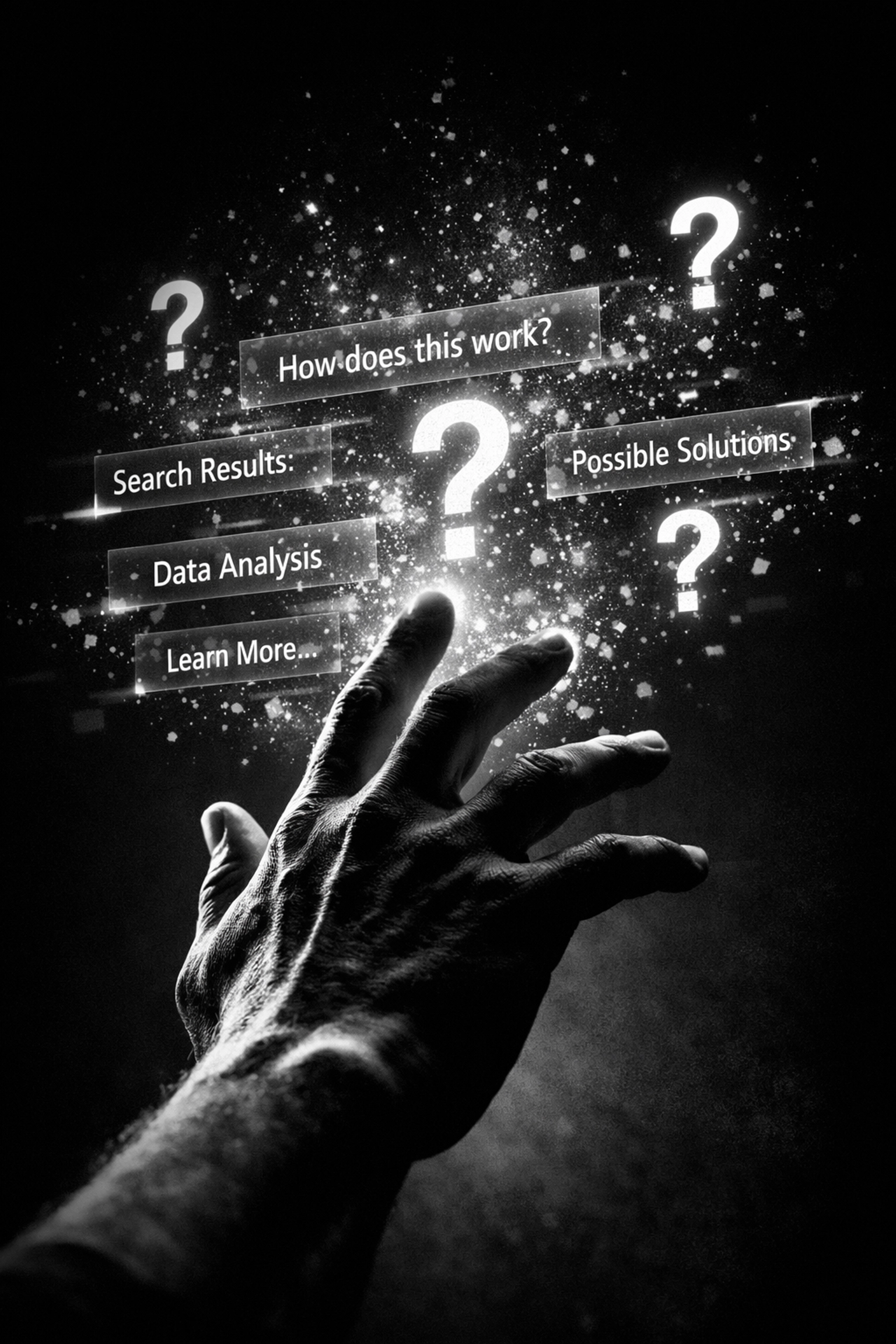
The fundamental difference between SEO and AEO is simple: SEO optimizes for clicks. AEO optimizes for citations. One gets people to your digital door. The other gets your expertise into the conversation, even when the door stays closed.
Why This Matters for Your Brand Story
At Gurupresario, we have worked with attorneys, doctors, dentists, and executives across industries. One thing we have learned: your brand is not just what people find when they search for you. Your brand is what people hear about you when they are not even looking.
When an answer engine cites your content, it is doing something powerful: it is endorsing your authority. It is saying, "This source knows what they are talking about." That is brand building at scale.
But here is where most brands mess this up: they are still creating content like it is 2019. Long, meandering blog posts that bury the answer somewhere in paragraph seven. AI systems do not have the patience for that. Neither do humans, honestly.
How to Structure Content That Gets Cited
If you want AI systems to pull from your content, you need to make their job easy. Really easy.
Start with the direct answer. Do not make AI dig for it. If someone asks, "What is Answer Engine Optimization?" your first 40-60 words should answer that question completely. Then you can elaborate, add context, and tell your story.
Use question-based headings. AI systems love these because they match how people actually search. Instead of "AEO Strategies," try "How Do You Optimize Content for Answer Engines?" See the difference?
Break everything into digestible chunks. Lists, tables, step-by-step instructions. AI systems parse structured information far better than dense paragraphs. Think of each paragraph as answering one specific micro-question.
This is not dumbing down your content. This is respecting how information gets consumed in 2026: by both humans and machines.

The Technical Side: Making Your Content Machine-Readable
Here is where things get a bit nerdy, but stay with me because this matters.
Schema markup is your secret weapon. It is code that tells AI systems exactly what your content contains. There are different types:
FAQPage schema for question-and-answer content. HowTo schema for instructional pieces with clear steps. Article schema to establish freshness and authority. Speakable schema for voice search optimization.
You do not need to be a developer to implement this. Most modern content management systems have plugins that handle it. But you do need to prioritize it.
Speed matters too. Core Web Vitals are not just for traditional SEO anymore. AI crawlers have limited resources. If your page takes forever to load, you are making it harder for these systems to extract your content. Aim for a Largest Contentful Paint under 2.5 seconds.
Clean HTML formatting helps immensely. Use proper heading hierarchy. Create well-formatted tables. Avoid mixing multiple topics in a single paragraph. The cleaner your structure, the easier it is for AI to understand and cite you.
Building Topical Authority That AI Trusts
One isolated blog post will not cut it. Answer engines prioritize sources that demonstrate comprehensive expertise across related subtopics.
Think about your industry. What are the primary questions your clients ask? What are the follow-up questions? What misconceptions exist? Map out this entire ecosystem of knowledge, then create content that addresses it systematically.

This is where storytelling becomes strategy. We have helped clients transform their expertise into connected narratives that build authority over time. It is not about gaming an algorithm. It is about genuinely becoming the go-to source in your space.
For example, if you are a dental practice, do not just write about teeth whitening. Cover the science behind enamel, the difference between in-office and at-home treatments, what causes discoloration, how diet affects tooth color, and common myths people believe. When AI systems see this comprehensive coverage, they recognize you as authoritative enough to cite.
Writing for Conversational Queries
People do not search like robots anymore. They ask questions like they are talking to a friend.
Instead of "AEO best practices 2026," they ask, "How do I get my content cited by ChatGPT?"
Your content needs to mirror this natural language. Write like you talk. Answer questions the way you would explain them to someone over coffee. This is not just about matching search queries: this is about connecting with humans while making your content accessible to AI.
Measuring Success When Clicks Do Not Matter
Traditional analytics break down in an AEO world. You need new metrics.
LLM visibility tracks how often your content gets cited across different answer engines. Tools are emerging that monitor share of voice across ChatGPT, Perplexity, Google AI Overviews, and Copilot.
Featured snippet presence shows when your content appears in position zero on Google. Even though users might not click, they see your brand name as the authority.
Zero-click performance is counterintuitive but important. High impressions with low clicks can actually signal that your content is answering queries so well that people do not need to visit your site. That is a feature, not a bug.
Citation frequency requires manual testing. Search for relevant queries on different platforms and see where your content appears. Do this monthly. Track patterns. Adjust accordingly.
The real question is not "How many people clicked?" The question is "How many people now know we are the experts?"

The Brand Implication Nobody Is Talking About
Here is what keeps me up at night in a good way: AEO forces you to actually be good.
You cannot fake expertise when AI systems are evaluating your content for accuracy, clarity, and comprehensiveness. You cannot rely on flashy design or clever headlines. The substance has to be there.
This is fantastic news for brands that do the work. For attorneys who genuinely understand their practice areas. For doctors who care about patient education. For executives who have built real expertise over decades.
Your knowledge is the moat. AI cannot replicate your specific experience, your unique perspective, the stories from your work with actual clients. But AI can absolutely amplify that expertise if you package it correctly.
This is where media strategy and content creation converge. At Gurupresario, we help clients extract their expertise and transform it into content that serves both human audiences and AI systems. Through podcasting, video production, and strategic content creation, we tell your story in ways that build lasting brand equity: whether people click through or not.
The Path Forward
Answer Engine Optimization is not replacing traditional SEO. It is expanding what digital presence means. Your website still matters. But now, your expertise needs to live beyond your website, embedded in the AI systems that answer millions of queries daily.
Start small. Pick your most frequently asked client questions. Create clear, direct answers. Structure them properly. Add schema markup. Track what gets cited. Refine your approach.
This is not a sprint. This is building authority in a new landscape: the same way you built authority in the old one, just with different distribution channels.
The brands that win in 2026 and beyond will be the ones that understand something fundamental: visibility is not about controlling where people see you. Visibility is about being present in the moments that matter, even when those moments happen on someone else's platform.
Ready to build a content strategy that wins in the age of answer engines? Book a complimentary one-on-one session with a media marketing expert at https://calendly.com/mausanchez/meet or call us at (512) 988-5194. Let's talk about how to position your brand as the authority AI systems cite and humans trust.


