The iPhone Trap (And Why We Keep Falling Into It)
Let me guess: someone in your last marketing meeting suggested, "Why don't we just shoot it on an iPhone? Apple does it all the time."
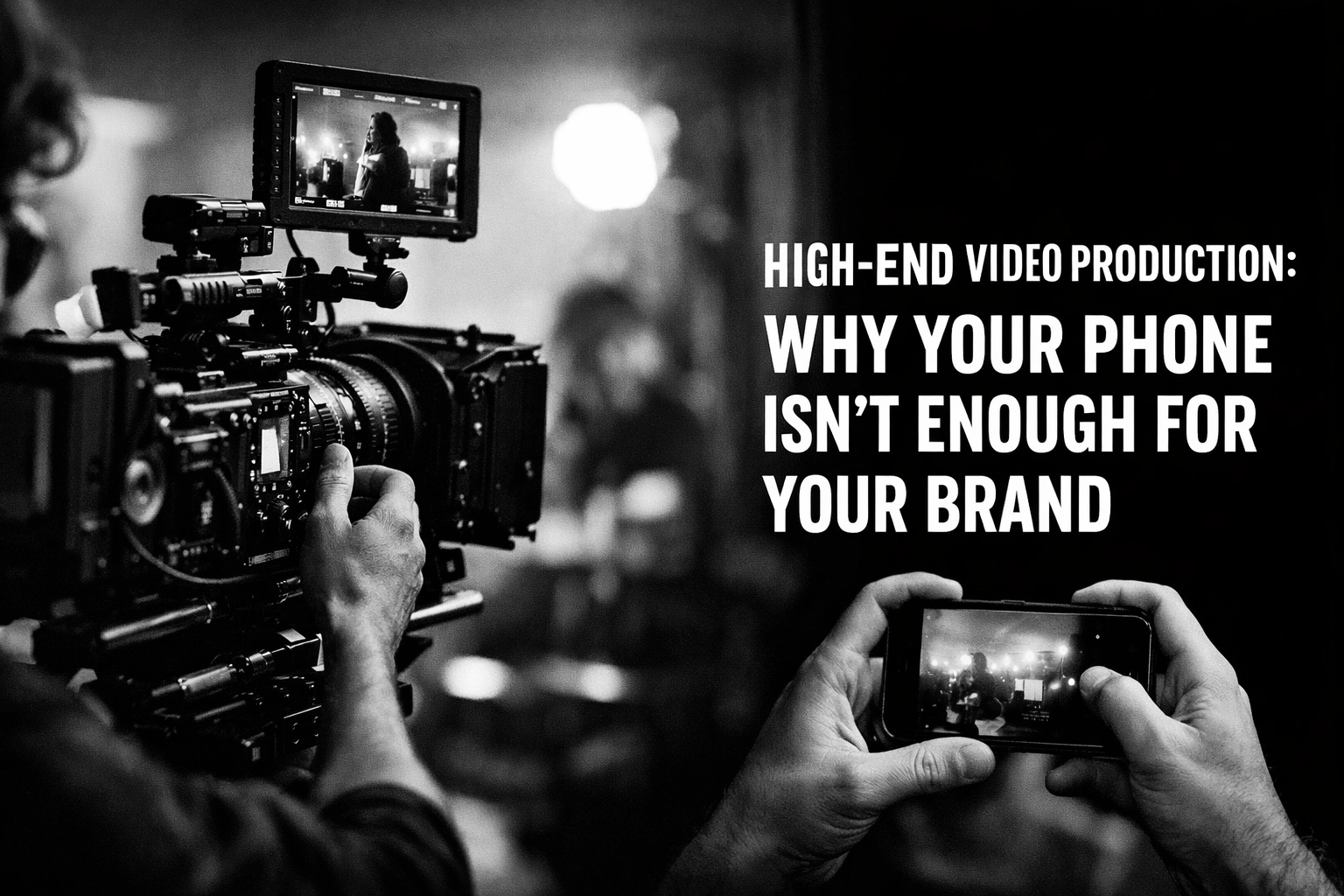
Here's what they're not telling you: those Apple commercials "shot on iPhone" come with a professional crew of grips, gaffers, lighting directors, and cinematographers. The phone is just the camera. Everything else? That's a full production team doing what they do best.
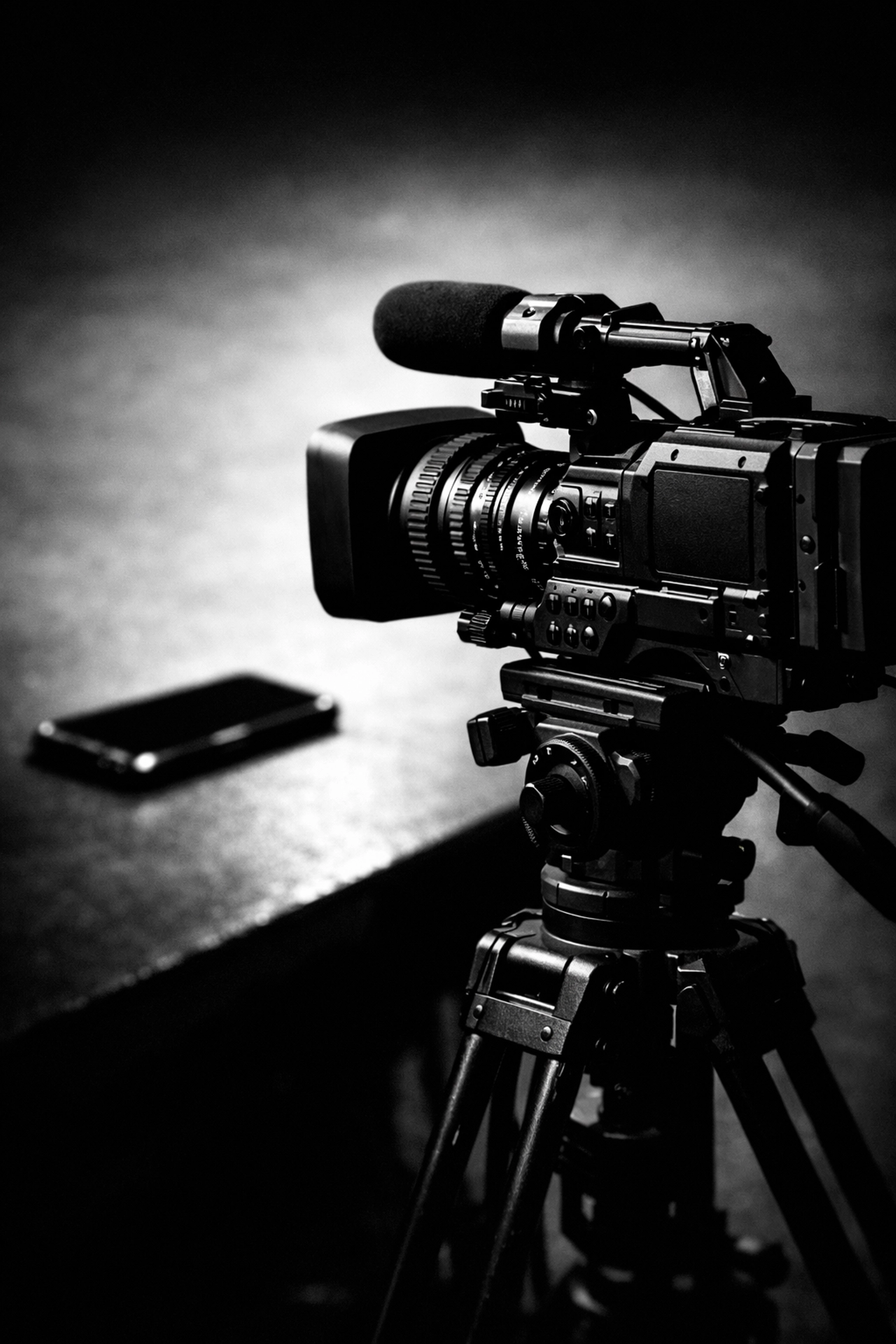
The iPhone trap is real, and it's costing brands their credibility. Sure, your phone shoots 4K video. But so does a $200 action camera. The question isn't about resolution: it's about what your video says about your brand before anyone even hears your message.
Why Production Quality Is Your First Handshake
Think about the last time you walked into a law office with outdated furniture and flickering fluorescent lights. Did you feel confident handing them your case? Probably not.
Your video content is the same handshake. Before you say a single word about your services, your production quality has already told your audience whether you're serious, established, and worth their time.
Research shows that consumers consistently identify clear audio and professional visuals as hallmarks of "great videos." But here's the brutal truth: smartphone manufacturers prioritize camera specs over sound capture. Unless your subject is standing directly in front of the phone, your audio is probably garbage. And bad audio? That's the fastest way to lose viewer trust.
We've worked with attorneys, doctors, dentists, and C-suite executives who initially thought they could DIY their video content. The results were predictably inconsistent: shaky footage, blown-out windows, audio that sounded like they were recording in a wind tunnel. These are smart, accomplished professionals, but video production isn't their expertise. And it showed.
The Sensor Doesn't Lie
Let's talk tech for a second without getting too deep in the weeds.
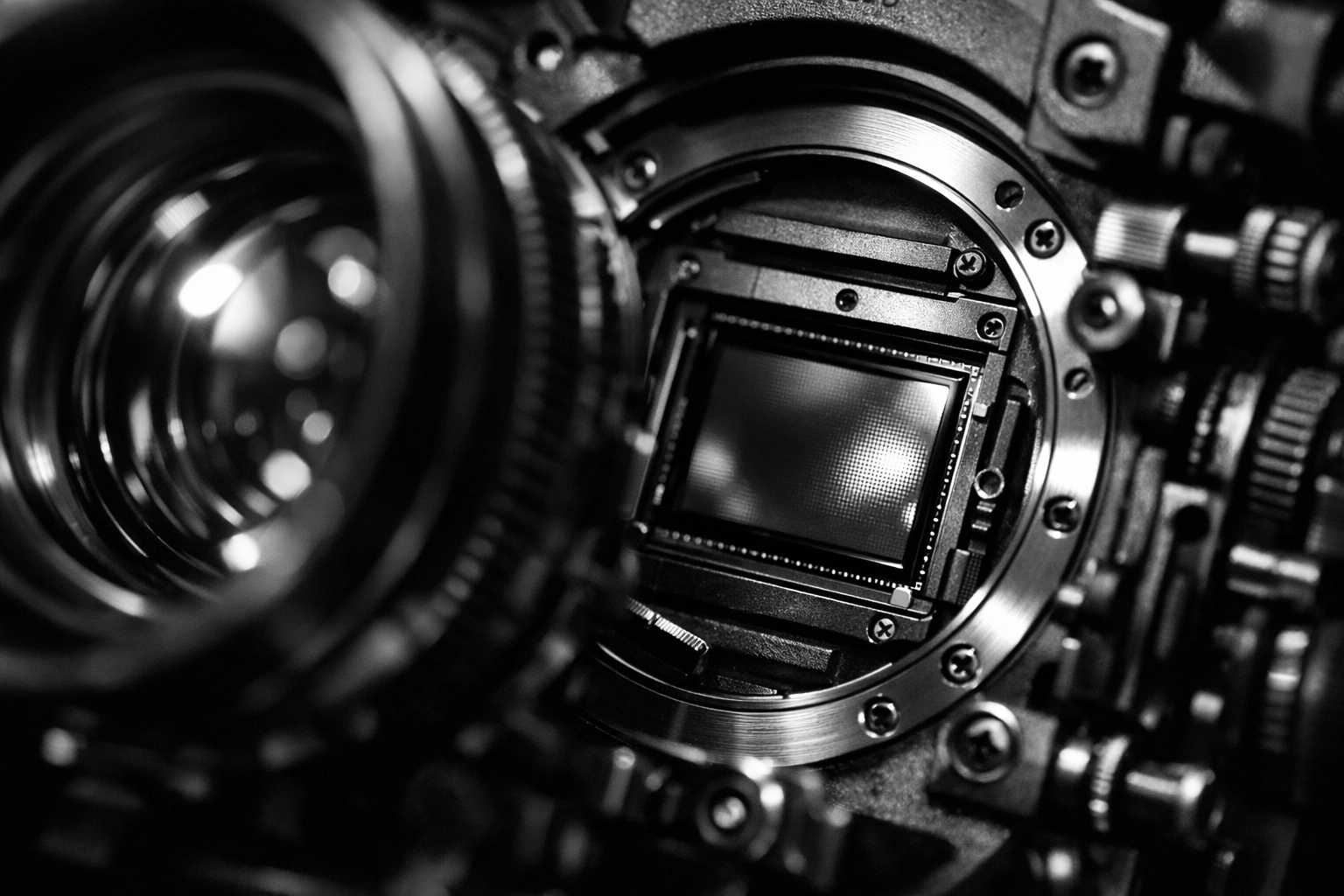
Most smartphones use 12-megapixel sensors. Professional cameras? They're working with sensors that are significantly larger, paired with lenses that cost more than most people's monthly rent. That size difference isn't just a spec sheet flex: it's the difference between footage that looks "pretty good" and footage that looks cinematic.
Here's where it gets worse: smartphone zoom. The moment you pinch to zoom, you're using electronic zoom, which is basically just cropping and enlarging. Image quality degrades fast. Professional equipment uses optical zoom with glass elements designed specifically for that purpose.
And color? Smartphones give you limited color correction options. Professional cameras shoot in RAW color systems like C-log and V-log, which means we can manipulate color, contrast, and mood in post-production with incredible precision. Your brand colors? They'll be exactly right, every single time.
The Lighting Problem Nobody Talks About
Here's something most people don't realize: professional video isn't just about the camera. It's about controlling light.
Smartphones are at the mercy of whatever light is available. Overhead fluorescents give you that unflattering green tint. Window light changes throughout the day. Indoor spaces are too dark, outdoor spaces are too bright.
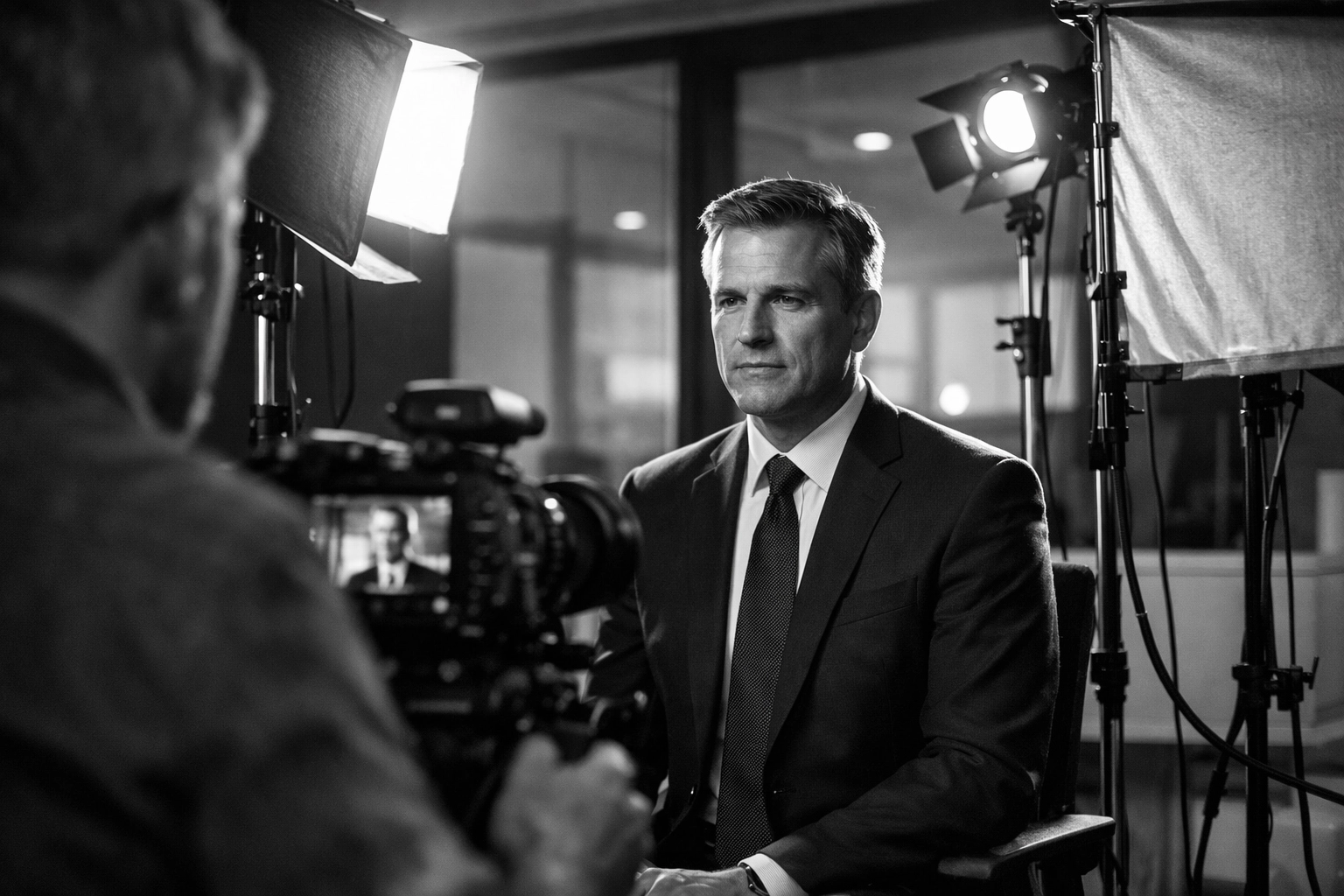
Professional productions use controlled lighting setups. We create mood. We ensure consistency across every shot. We make your CEO look like a CEO, not like someone's uncle recording a Facebook rant in his garage.
At Gurupresario, we approach every video project like a documentary filmmaker. We're not just capturing footage: we're telling a story with intentional lighting, deliberate composition, and a visual style that reinforces your brand identity.
What Professional Production Actually Gets You
Let's break down what separates a professional video from phone footage:
Manual Control Over Everything: We control focus, exposure, frame rates, shutter speed, aperture, and color profiles. Smartphones automate most of these settings, which is great for vacation photos but terrible for brand consistency.
Advanced Editing Capabilities: Color grading, sound mixing, motion graphics, transitions: these elements transform raw footage into polished, emotionally resonant content. It's the difference between a video and a production.
Audio That Actually Works: We use professional microphones, audio interfaces, and sound design. Your message comes through crystal clear, whether you're in a conference room or at a busy event.
Strategic Storytelling: This is where experience matters. We've helped brands across industries: from medical practices to law firms to corporate executives: tell their stories in ways that connect with their audience. It's not just about pretty pictures. It's about narrative structure, pacing, and emotional resonance.
Brand Perception: The Invisible ROI
Here's the uncomfortable truth: amateur-quality videos signal amateur-level professionalism.
When potential clients are comparing you to competitors, your video content is doing silent work in the background. Professional production signals quality, credibility, and seriousness. It tells prospects you're established, you're invested in your brand, and you're not cutting corners.
We've seen this play out countless times. A medical practice comes to us after trying to create their own patient testimonial videos on smartphones. The lighting is inconsistent. The audio is muddy. The framing is awkward. They're frustrated because they know their services are top-tier, but their videos aren't communicating that.
After we produce their content with our cinematic approach: controlled lighting, professional audio, thoughtful composition: they see the difference immediately. So do their patients.

When Smartphones Make Sense (And When They Don't)
Look, we're not saying smartphones have no place in your content strategy. For behind-the-scenes social media content, quick updates, or casual brand personality posts, phones are fine. Great, even.
But for explainer videos, corporate overviews, client testimonials, product launches, and serious marketing initiatives? That's when professional production becomes the most effective investment you can make.
Think of it this way: you wouldn't hand your CEO a smartphone and ask them to write your annual report in the Notes app. Your video content deserves the same level of professional execution as every other aspect of your brand.
The Gurupresario Difference: Strategy First, Always
At Gurupresario, we don't just show up with cameras and start shooting. We build maps before we drive.
Every video project starts with strategy. What's your goal? Who's your audience? What action do you want viewers to take? What story does your brand need to tell?
Once we understand the strategy, we bring our documentary-style approach to the production. We're not just videographers: we're storytellers who happen to be really good with cameras. We've worked with diverse clients across industries, and that experience informs how we approach your unique brand challenges.
Our cinematic approach means every frame is intentional. Every lighting decision supports the mood. Every edit serves the narrative. The result is video content that doesn't just look professional: it elevates your entire brand.
Your Brand Deserves Better Than "Good Enough"
The "good enough" approach to video content is costing you customers. It's costing you credibility. And in competitive markets, it's costing you market share.
Professional video production isn't an expense: it's an investment in how your brand is perceived, remembered, and trusted.
We've helped attorneys project authority, doctors communicate compassion, and executives articulate vision. The common thread? They all understood that their brand story was too important to tell with subpar production quality.
If you're ready to elevate your video content beyond the iPhone trap, let's talk about what's possible. Book a complimentary one-on-one session with our media marketing experts at calendly.com/mausanchez/meet. Or call us at (512) 988-5194 to start the conversation.
Your brand has a story worth telling. Let's make sure it's told the right way.


