Summary
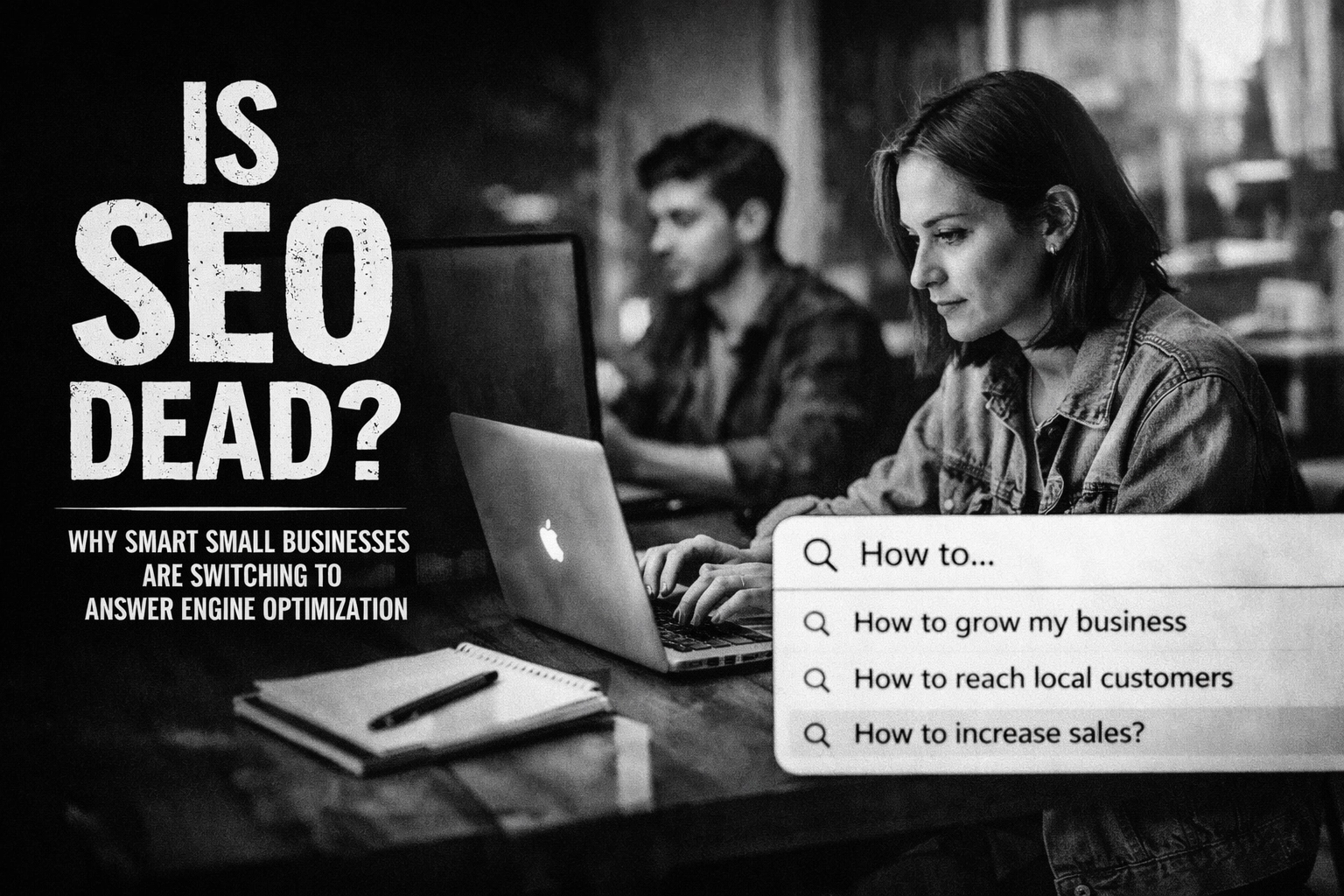
SEO is not dead: but it is evolving. The digital marketing landscape in 2026 is experiencing a seismic shift as AI-powered answer engines like ChatGPT, Perplexity, and Google AI Overviews transform how people search for information. Smart small businesses are not abandoning traditional SEO; they are expanding their strategies to optimize for both search engines and answer engines. This blog explores why Answer Engine Optimization (AEO) matters, how it differs from traditional SEO, and what this means for your brand's visibility and growth.
The Rumor Mill: Is SEO Really Dead?
Every few years, someone declares that SEO is dead. First, it was social media that was supposed to kill it. Then mobile. Then voice search. And now? AI-powered answer engines are the latest suspect in this never-ending murder mystery.
Here is the truth: SEO is alive and well. It is just getting a roommate.
Traditional search engine optimization: keywords, backlinks, technical site health, quality content: still matters enormously. Google AI Overviews alone reach 2 billion monthly users, and projections suggest that website traffic from AI search may surpass traditional search traffic by 2028. Notice the key phrase here: "by 2028." That means traditional search still dominates today.
But ignoring the shift happening right now would be like ignoring the internet in 1995 because "newspapers still work." Smart businesses adapt early.

What Exactly Is Answer Engine Optimization?
Answer Engine Optimization is the practice of structuring your content so AI systems can easily understand, extract, and present your information as direct answers to user queries.
Think about how you use ChatGPT or Perplexity. You ask a question, and you get a conversational, comprehensive answer: often without clicking through to a website. These AI systems pull information from across the web, synthesize it, and deliver it in digestible formats.
The difference between traditional SEO and AEO comes down to user behavior:
Traditional SEO: User searches "best CRM for small business" → Google shows 10 blue links → User clicks through multiple sites → User compares information
Answer Engine Optimization: User asks AI "what CRM should I use for my 10-person marketing agency?" → AI provides a tailored recommendation with reasoning → User may or may not visit a website
The game has changed. Your content needs to be structured not just for Google's algorithms, but for AI comprehension.
Why Small Businesses Are Making the Switch (Sort Of)
Let me be clear: businesses are not abandoning SEO. That would be like throwing away your smartphone because smartwatches exist. Instead, forward-thinking small businesses are expanding their optimization strategies to include both channels.
Here is why this matters specifically for small businesses:
Higher Conversion Value: According to recent industry data, visitors from AI search platforms are worth 4.4 times more than traditional organic search visitors. When someone arrives at your site from an AI recommendation, they are further along in their decision-making journey. The AI has already pre-qualified you as a relevant solution.
Competitive Advantage: While big corporations are still figuring out their AI search strategy, small businesses can move faster. You can adapt your content, test approaches, and optimize for answer engines while your competitors are still debating it in quarterly meetings.
Brand Authority Amplification: Answer engines prioritize authoritative, in-depth content. This levels the playing field. You do not need the biggest marketing budget: you need the best insights and the clearest way of communicating them.

The Foundation Still Matters
Before you rush to optimize for AI search, let me hit you with some reality: the fundamentals of traditional SEO remain absolutely critical.
Keywords, backlinks, technical site performance, mobile optimization, page speed, schema markup: all of these still drive visibility. Nearly 70% of businesses report higher ROI from integrating AI into their SEO workflows, but that integration enhances existing strategies rather than replacing them.
Think of it this way: traditional SEO is your foundation. Answer Engine Optimization is the second story you are building on top of it. You cannot skip the foundation and expect the structure to hold.
The pillars that have always mattered: topical authority, technical health, quality backlinks, and genuinely helpful content: are not going anywhere. If anything, they matter more now because AI systems use these same signals to determine which sources to trust and cite.
How to Optimize for Both Worlds
So how do you actually do this? How do you optimize for both traditional search engines and AI answer engines without doubling your workload?
Focus on Content Depth: Stop writing 500-word surface-level blog posts. AI systems prioritize comprehensive, authoritative content that thoroughly addresses a topic. Aim for depth over breadth. One well-researched 1,500-word post beats three shallow 500-word posts every time.
Structure for Scannability: Use clear headings, bullet points, and concise paragraphs. AI systems extract information more effectively from well-structured content. Bonus: humans prefer this format too.
Answer Real Questions: Think about the actual questions your customers ask. Then answer them directly and comprehensively. Use natural language. Write like you are explaining something to a friend over coffee, not like you are filling out a legal form.
Build Topic Clusters: Create content ecosystems around core topics relevant to your business. This establishes topical authority: a signal that both Google and AI systems prioritize when determining expertise.
Optimize Technical Performance: Page speed, mobile responsiveness, and clean code matter for traditional SEO and improve how effectively AI crawlers can access and understand your content.

The Brand Storytelling Advantage
Here is where things get interesting for small businesses: Answer Engine Optimization rewards authentic brand storytelling.
At Gurupresario, we have worked with attorneys, doctors, dentists, and executives across industries to build their brands through podcasting, video production, and content creation. What we have learned is this: the businesses that win are not the ones with the biggest budgets: they are the ones with the most compelling stories and the clearest expertise.
AI answer engines surface content that demonstrates genuine authority and provides unique insights. You cannot fake this with keyword stuffing or link schemes. You have to actually know your stuff and communicate it effectively.
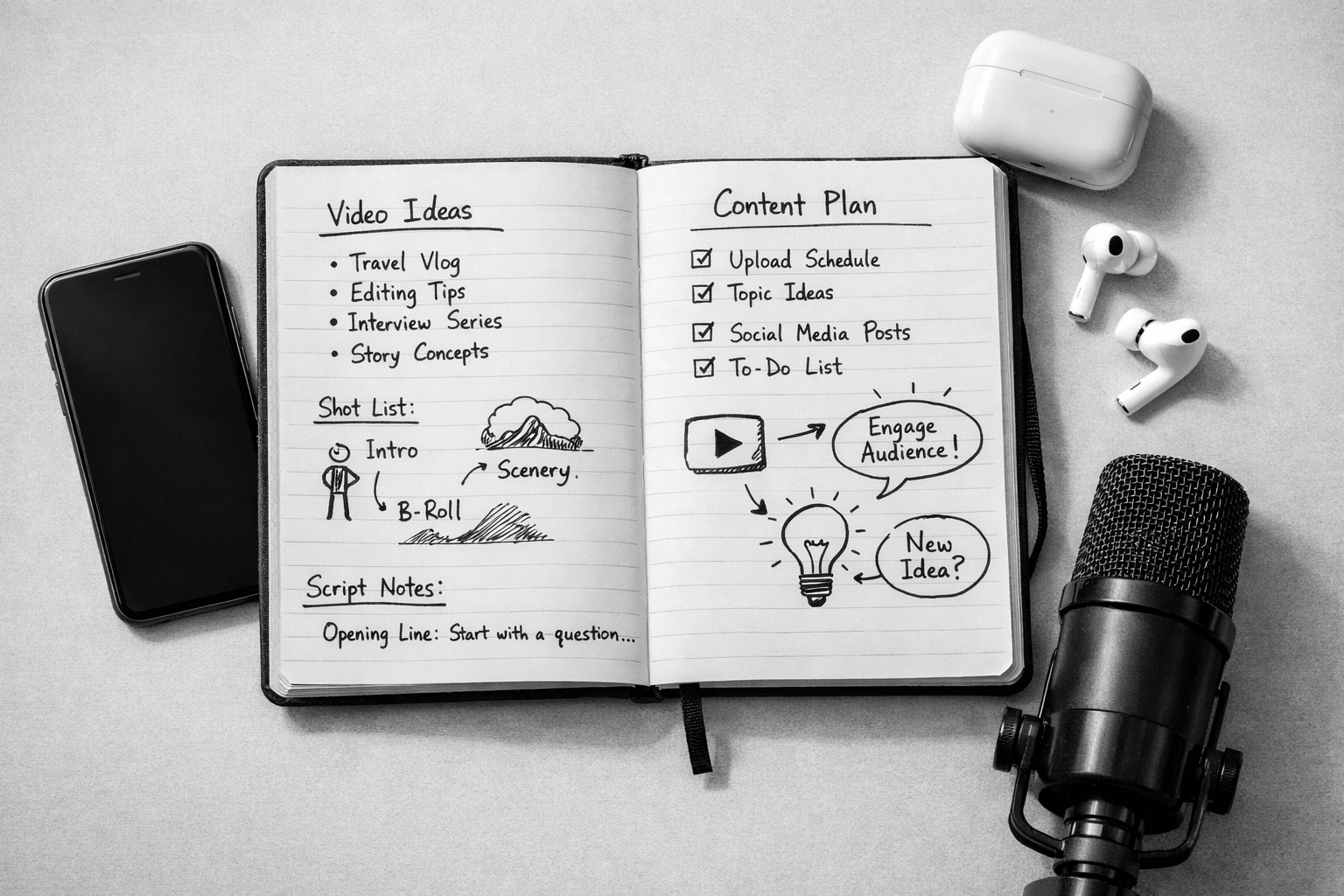
This is why we emphasize helping clients think about their brand as a whole. Your podcast episodes, video content, blog posts, and social media should all tell a cohesive story about who you are, what you know, and how you help people. This integrated approach is exactly what performs well in both traditional search and AI answer engines.
When someone asks an AI "who should I hire for X?" the systems prioritize sources that have demonstrated consistent expertise through multiple content formats. A lawyer who has published thoughtful articles, appeared on industry podcasts, and shared video insights will outrank a lawyer with a basic website every time.
The Speed Factor
One underrated advantage of optimizing for answer engines: speed of implementation.
Traditional SEO can take months to show results. You publish content, wait for Google to crawl and index it, build backlinks, establish authority, and slowly climb the rankings. It is a marathon.
Answer engines can surface your content much faster: sometimes within days of publication: if you have structured it properly and established your expertise. This does not mean you should abandon long-term SEO strategy. It means you now have both a short-term and long-term play.
For small businesses that need results, this matters. You can start seeing traffic and conversions from AI search platforms while your traditional SEO efforts compound over time.
What This Means for Your Business in 2026
The businesses that thrive in 2026 and beyond will be those that understand this is not an either-or situation. You need both.
Optimize your technical foundation. Build topical authority. Create genuinely useful, in-depth content. Structure that content so both humans and AI systems can easily extract value from it. Tell your brand story consistently across multiple formats and channels.
Most importantly, stop thinking about optimization as a technical checklist. Think about it as a way to make your expertise more discoverable and more useful to the people who need it.
Your potential customers are out there right now, asking questions that you are uniquely qualified to answer. The question is: have you made it easy for them to find you: whether they are using Google, ChatGPT, Perplexity, or whatever comes next?
Ready to Future-Proof Your Digital Presence?
The shift from pure SEO to integrated search and answer engine optimization does not have to be overwhelming. At Gurupresario, we help businesses like yours navigate these changes through strategic content creation, brand storytelling, and multi-platform visibility.
Whether you are a small business owner wondering where to start or an executive ready to take your brand to the next level, we can help you develop a strategy that works for both traditional search and AI answer engines.
Book a complimentary one-on-one session with a media marketing expert at https://calendly.com/mausanchez/meet or give us a call at (512) 988-5194. Let's talk about how to position your brand for success in this evolving digital landscape.


